How to Review Underwater Photos After a Dive Without Losing Your Mind
Diving into the depths and capturing mesmerizing underwater moments is one of the great joys of being a diver. Yet, after surfacing, many of us bicycle through a familiar challenge: how to sort through our underwater camera files without turning a relaxing surface interval or a chill evening into digital chaos. Whether you’re aboard a remote island dive resort or settling in on a multi-day liveaboard, creating a photo sorting workflow that respects the rhythm of the dive day can keep your enthusiasm alive and your sanity intact.
The Dive Day Rhythm: Why Timing Your Photo Review Matters
After a dive, your body and mind crave a different tempo—surface intervals aren’t just for nitrogen off-gassing; they're little pockets of downtime that enrich the entire experience.
Surface Intervals Are Meant for Relaxation and Social Bonding
Many divers feel the urge to jump straight into photo review between dives. While tempting, this often backfires. The surface interval is prime time for decompressing, sharing dive stories, https://dlf-ne.org/best-conversation-starters-with-strangers-on-a-dive-boat/ catching up with buddies, and soaking in the vibe. Pulling out phones or tablets right away to sort hundreds of images can interrupt that relaxing flow and turn vibrant conversations into distracted scrolling.
Instead, I recommend a light glance-through—maybe flag a few candidates for a closer look later. This preserves the social energy and keeps your day feeling carefree rather than task-driven.
Liveaboard Routines: The Comfort of Limited Options
On multi-day liveaboards, routines become your anchor. Meals, photo reviews, gear rinsing—each falls into a predictable rhythm that helps manage the dive day’s pace. When you know there’ll be a dedicated block of time post-evening meal to hunker down with your tablet or phone and review images, you free up your daytime surface intervals for interaction and rest.
- Limited recharge opportunities for devices make timely photo management necessary.
- Consistent routines mean less mental load and more enjoyment.
- Encourages shared review sessions that spark camaraderie and collective storytelling.
Crafting Your Photo Sorting Workflow
Tackling hundreds of underwater photos can be a slog if you don’t have a plan. Here’s a workflow that’s worked well for me and fellow divers across various settings:
- Pre-Download Preparation: Always keep your devices ready before the trip by preloading offline maps, podcasts, and ebooks. This frees bandwidth and device storage for photos and keeps boredom away between dives.
- Initial Import and Backup: After the last dive of the day, use your phone or tablet with a reliable card reader to import images to a dedicated album. Back them up immediately to a portable drive or cloud (if WiFi permits).
- First Pass Quick Cull: Skim through to weed out duplicates, blurry shots, or accidental snaps. Mark promising images by ‘liking’ or starring them.
- Detailed Review: With your favorite images isolated, take time during the post-dive evening—when the pace naturally slows—to fine-tune your picks. This is when you can appreciate subtle detail differences or compare perspectives with dive buddies.
- Tagging and Organizing: Use your device’s tagging or album tools to label photos by dive site, species, or dive buddy. This helps when referencing images later or sharing stories.
Why Phones and Tablets Beat Laptops Aboard
The compact form, long battery life, and offline capabilities of phones and tablets make them indispensable underwater photographers’ sidekicks. Unlike laptops, tablets and phones can come with you on deck during surface intervals and fit snugly beside your rinse bucket at day’s end.
- Touchscreen controls speed up cropping and tagging.
- Apps optimized for offline use reduce reliance on unpredictable island or offshore WiFi.
- Easy sharing to social media or group chats can spark lively post-dive comparisons.
Post-Dive Evenings: Embracing the Shift in Pace
Here’s where the magic happens. After rinsing your gear—always a small triumph in itself—you settle into a mellow state, free from the splashing chaos of the day. This calmer space is ideal for photo review, especially combined with a favorite drink or evening snack.
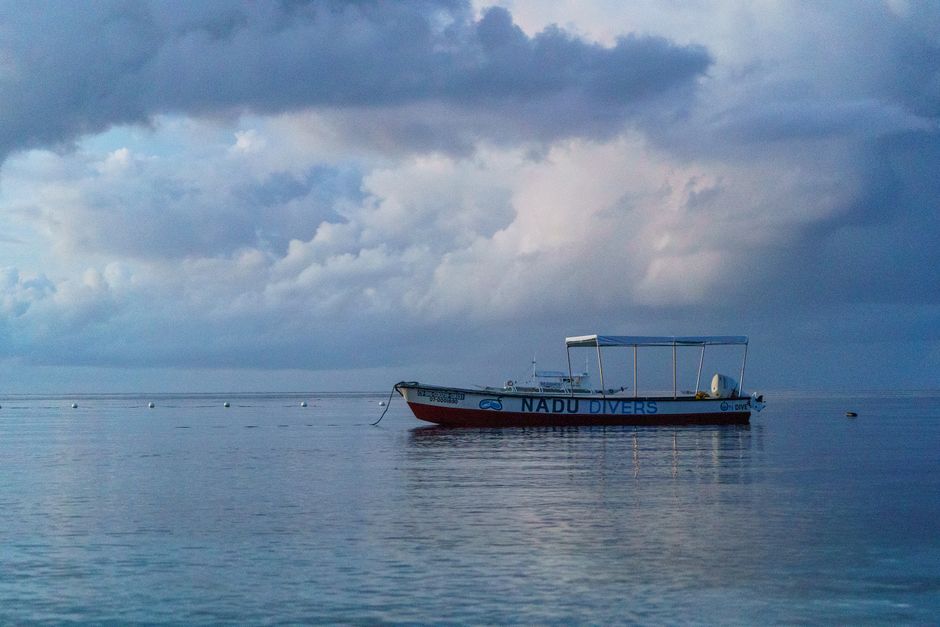
Unlike jam-packed itineraries that push every minute to its limit, allow this time to be somewhat unstructured. Avoid the temptation to turn every night into a “must-do” schedule. Instead, dip in and out of your photo library at your own pace, revisiting images or comparing shots with your dive buddies.
Sharing Different Perspectives Makes the Experience Richer
One of my favorite post-dive rituals has always been swapping photos and hearing what others spotted on the same dive site. You’ll be amazed at how one person’s shot might capture a shy critter that others missed or highlight behavior that went unnoticed underwater. This shared review deepens appreciation and broadens your own observational skills.
Offline-First Digital Entertainment Planning
Planning for entertainment that doesn’t rely on WiFi while diving remotely or offshore cannot be overstated. Before the trip, download relevant dive podcasts, ebooks about marine life, and music playlists. This way, whether you’re rinsing gear, sorting photos, or just lounging during surface intervals, your attention won’t be fragmented by poor connectivity.
Device Advantages Considerations Phone Always on hand; great for quick captures and social sharing; numerous photo editing apps available Smaller screen can be tiring to review large albums; storage limits on some models Tablet Larger screen ideal for detailed image review and tagging; longer battery life; optimized apps for offline usage Less portable than phone but still very travel-friendly; may need case for rough decksFinal Thoughts: Keep It Simple, Keep It Enjoyable
Underwater photography can be a joyous extension of your dive adventures, but its post-dive management needn’t become a source of stress. Respect the natural ebbs and flows of your day—use surface intervals for bonding, save detailed photo review for post-evening relaxation, and lean heavily on phones and tablets to streamline your workflow. With a bit of planning https://dlf-ne.org/how-to-keep-your-tablet-useful-on-a-dive-trip-with-no-signal/ and a flexible approach, reviewing your photos post-dive can enhance your overall diving experience instead of detracting from it.
Remember: the best shot is often the one that brings a smile in the moment, not just the perfect pixel in the album. So, take a deep breath, rinse your gear, share a laugh, and enjoy the slow dive into your underwater memories.